SYMBIO
Co-Creative Platform for Artistic Practice
Artistic IntentCreative Decision-MakingHuman–AI
Coming soon · In development
Introduction
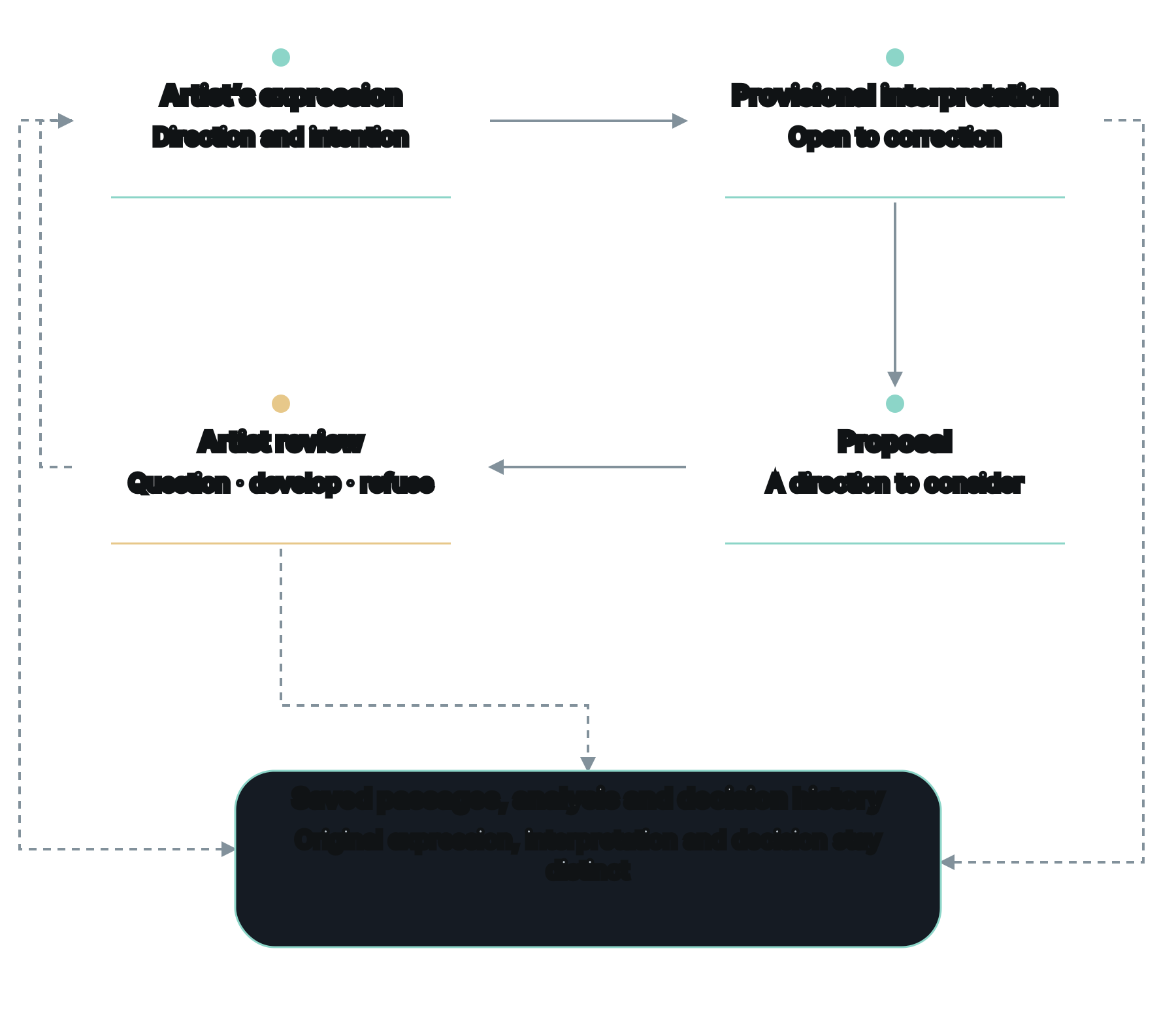
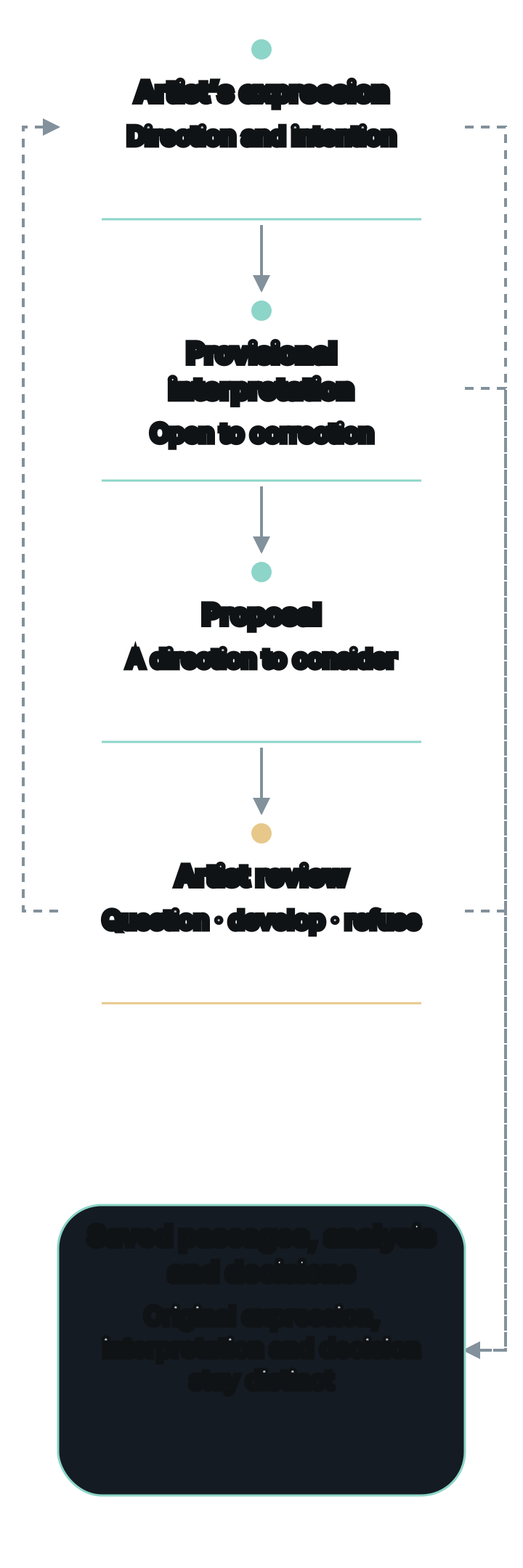
SYMBIO is a co-creative platform for developing artistic intentions and creative decisions through an ongoing exchange with AI. The artist can articulate a direction, inspect the system’s provisional understanding, consider a proposal, and revise it through discussion and work with material. The platform connects conversation to saved passages, analysis, and decision history so that interpretations remain open to correction. Its central question is whether this process can support useful artistic development.
An ongoing artistic inquiry
How can an artist’s intentions develop through an ongoing exchange with AI?
How can creative proposals remain open to questioning and revision?
Video
Coming soon
Conversation connected to material
Focus and Workbench provide different views of the same session, materials, selected passages, and history. Supporting windows can show analysis or earlier work when needed. Saved interpretations retain their sources and revisions, allowing the artist to inspect how a later suggestion relates to an earlier observation.
Proposals that remain revisable
The design asks the system to express its understanding and propose a direction that the artist can question, develop, or refuse. Records distinguish an original expression from an interpretation and a decision. Local approval remains specific to its context, and extending a preference beyond that context requires an explicit artistic choice.
Developing tools within the process
The workspace documents a bounded path for adding an audio-analysis method, inspecting its checks, trying it in a session, and deciding whether to retain it. This links technical development to a concrete creative question. Mechanical checks can establish limited properties of a tool; the artist still judges whether the result is useful.
Development Reflection
Retaining sources, revisions, and decisions makes the system’s interpretations open to examination, but this does not in itself amount to understanding artistic intention. The next development step is to examine, within specific creative tasks, when these records genuinely help artists adjust their direction.