Sonic Bowl
Eight-Channel Ultrasonic Sensing Instrument
InstrumentUltrasonic SensorEmbodied Interaction
May 2026
Tian Li · Concept, interaction, sensing hardware and software system
Intention
Sonic Bowl approaches gesture as a language for controlling sound. It begins with an interest in invisible interaction in the physical world: ultrasonic waves travel through the air, while changing distances become material for musical expression.
How can movement through an invisible sensing field become musical expression?
What can noisy sensor variation contribute to an open-ended instrument?
Video
An Open Interaction Space
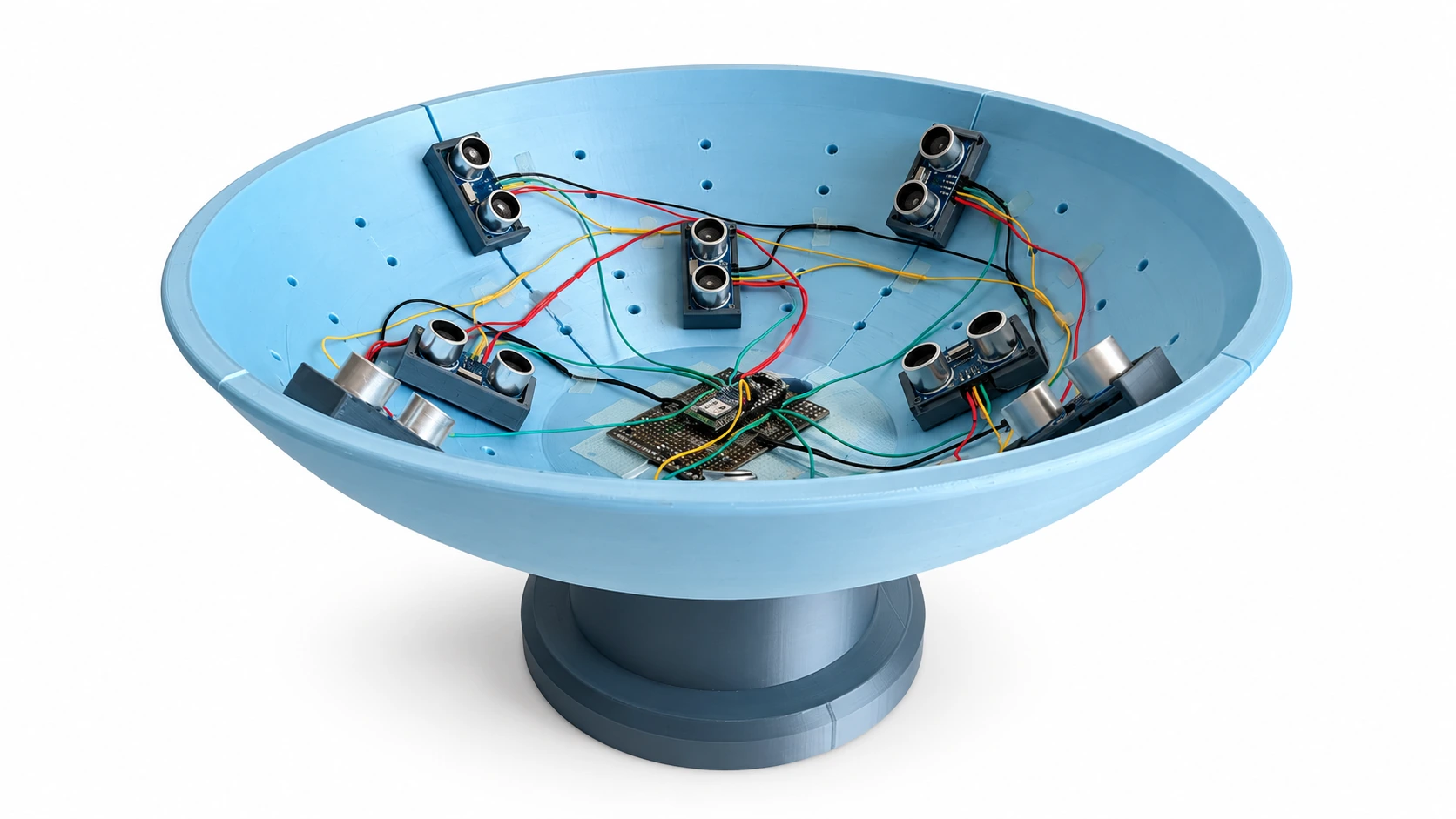
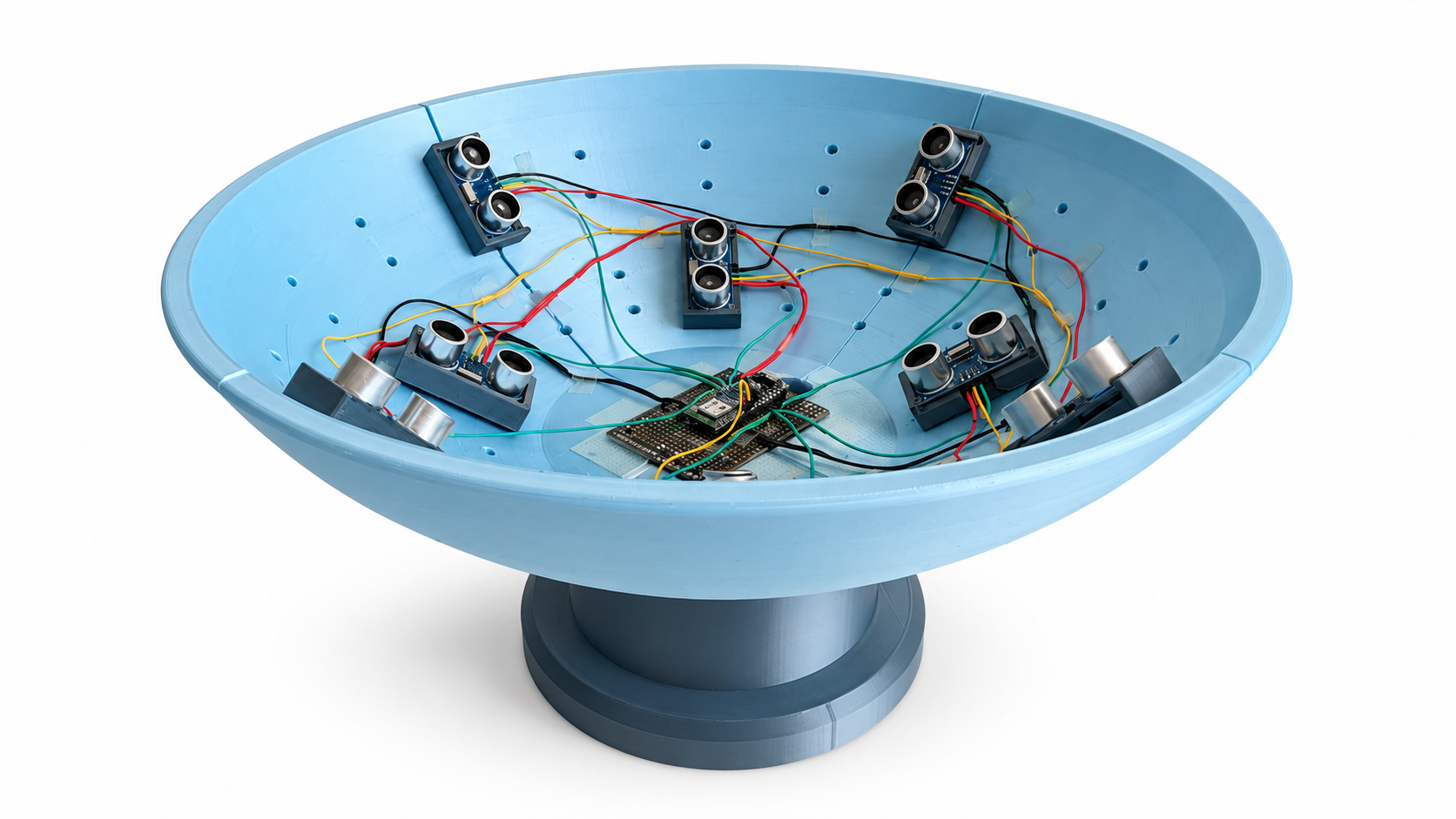
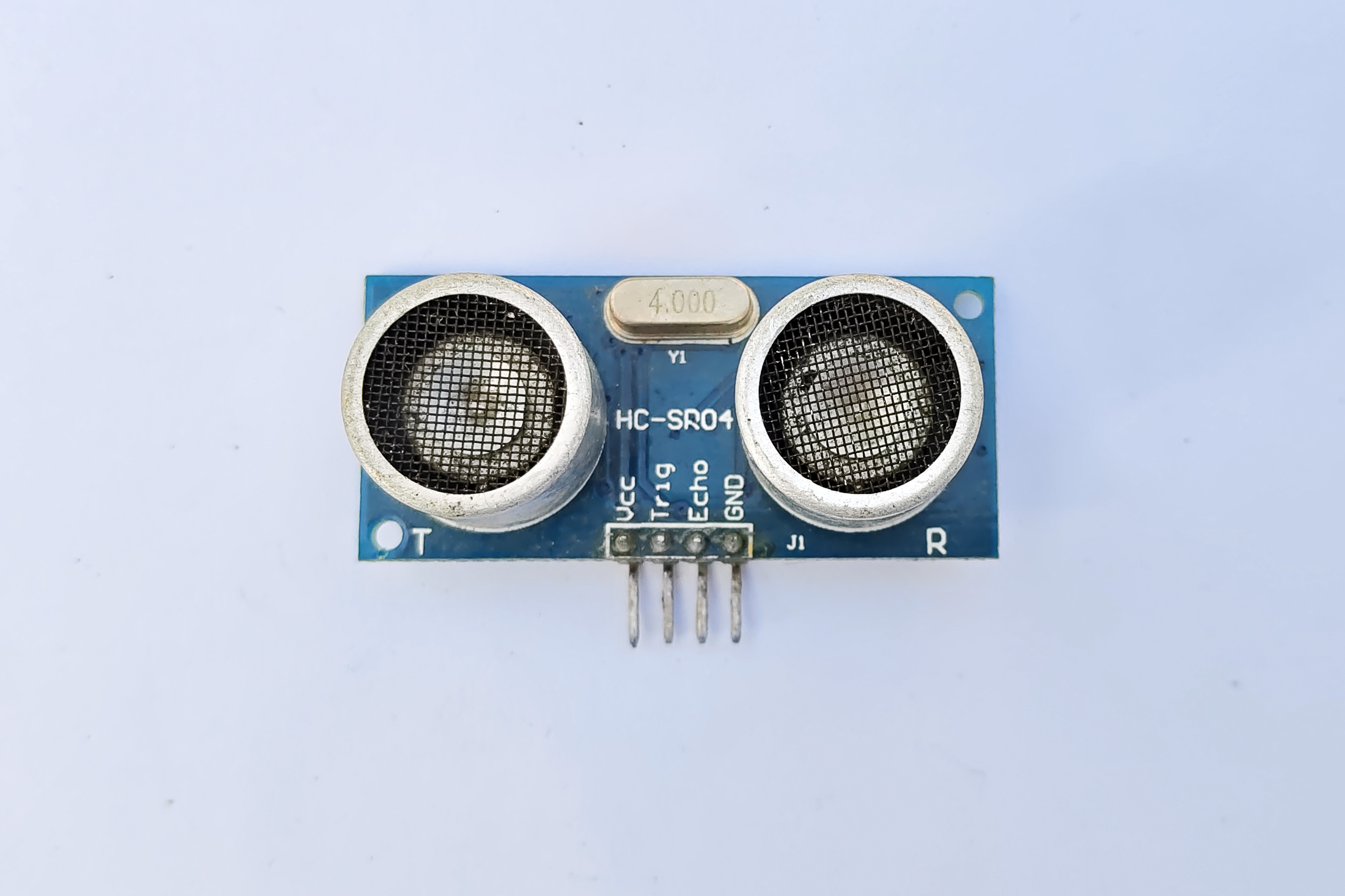
Eight HC-SR04 ultrasonic sensors sit inside a bowl, oriented toward the space above it. The bowl uses four large light-blue Bambu PLA Silk panels and a separate dark blue-black Silk snap-fit base. The arrangement invites performers to explore how their movements affect the distance readings. No fixed set of gestures is prescribed, leaving the interaction open to different movements and ways of playing.
From Distance to Sound Control
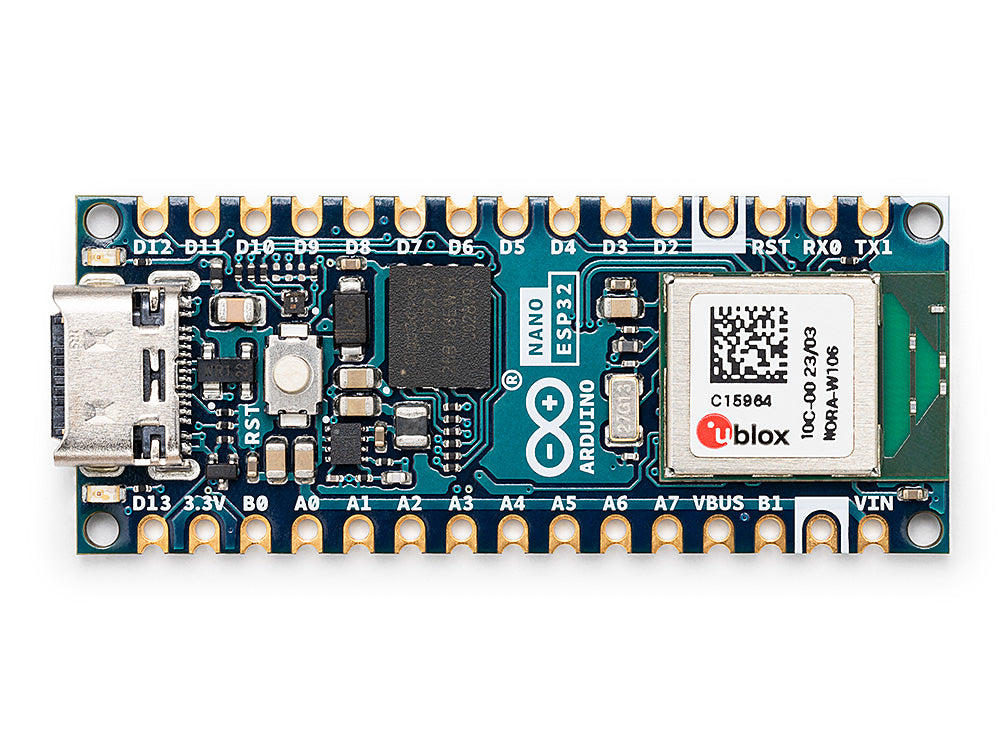
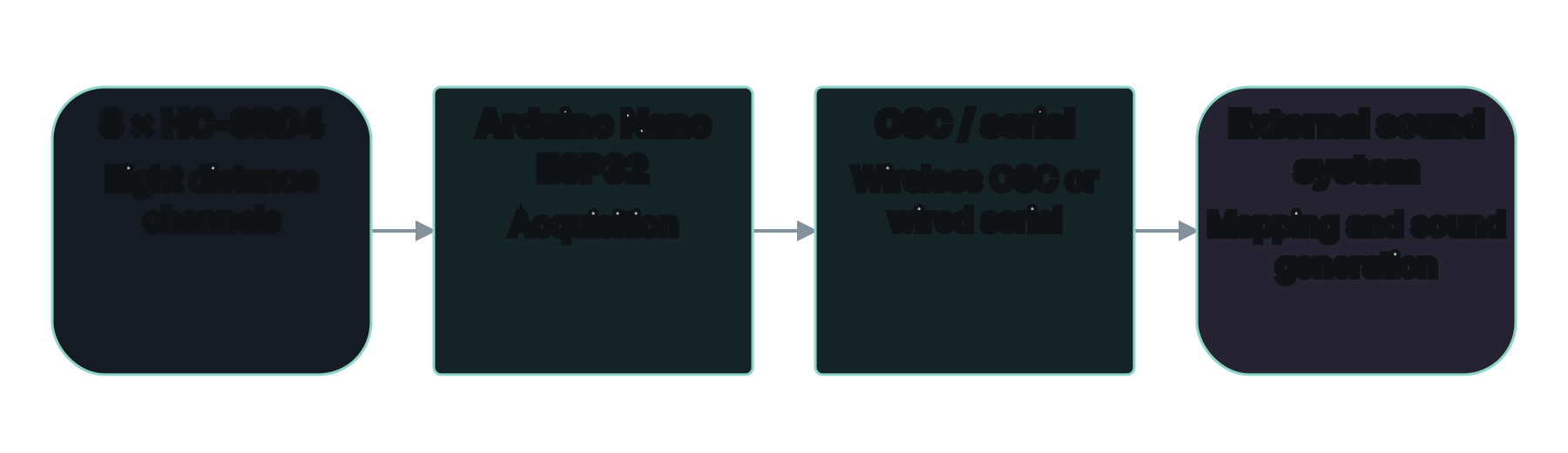
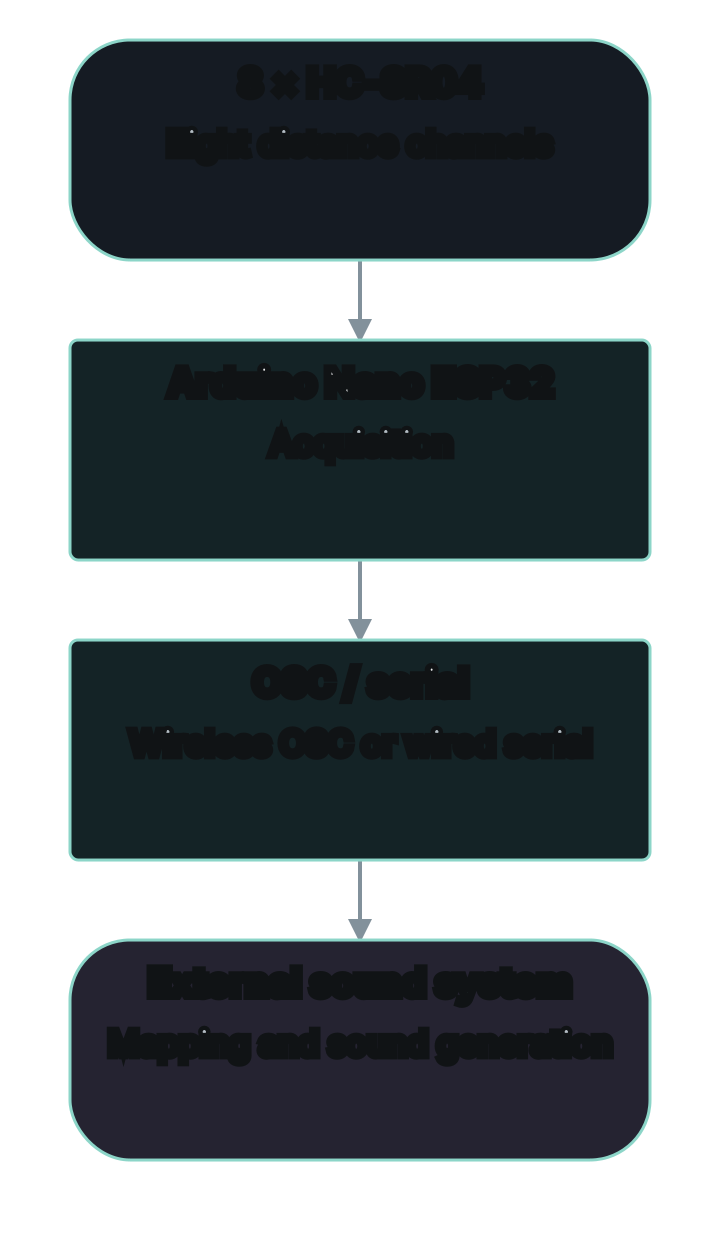
An Arduino Nano ESP32 collects the eight distance channels and sends them to an external sound system through wireless OSC or a wired serial connection. The external system maps these values to sound control and generates the audio. As Sonic Bowl is not worn on the body, a wired connection remains a practical option alongside wireless communication.
From distance to sound
Exploring Noisy Variation
During testing, interactions between the sensors affected the distance readings. AI-assisted programming and basic filtering were used to reduce their impact on the data. Alongside this practical adjustment, Sonic Bowl treats noisy variation as material for exploring what an imperfect interface can contribute to musical interaction.