GEMINI
Wireless Motion-Sensing Gloves
EmbodimentIMUExpressivity
Tian Li · Concept, interaction, hardware and software system design
Intention
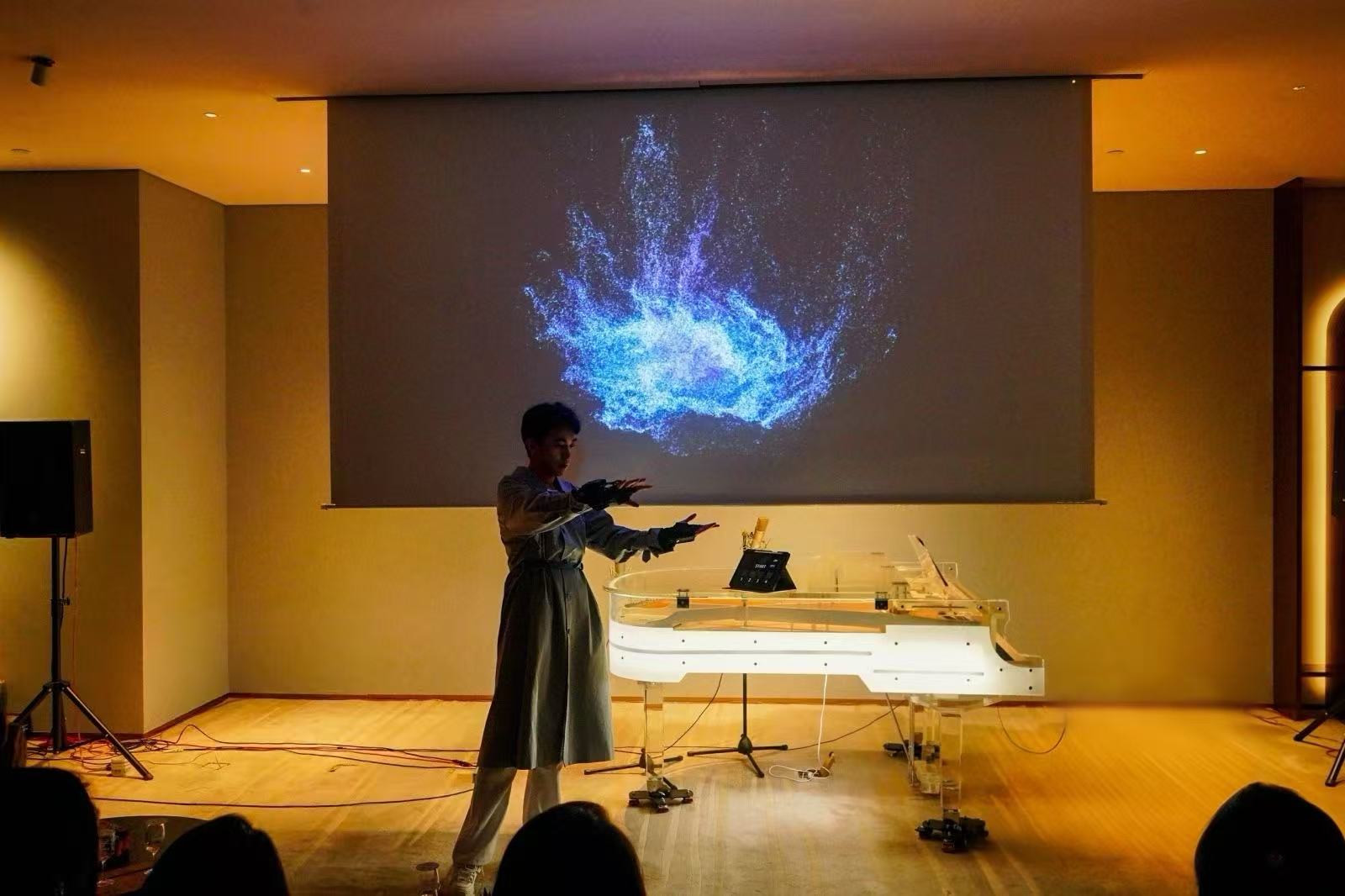
GEMINI began in February 2025 as an exploration of embodied interaction and improvisation. The project grew from an interest in how bodily movement can become a language within a performance, and how an audience might perceive the communication taking place through improvisation. Hand gestures provide material for developing relationships between physical action, sound, and other media. The name GEMINI refers to the paired hands and two-unit structure, and to the idea of twins.
How can hand movement become an expressive language for sound and other media?
How does the design of a wearable interface shape possibilities for improvisation?
A Starting Point in Live Audio Processing
An early point of reference was Atau Tanaka’s Suspensions, which prompted an interest in using bodily movement to work with live audio from acoustic instruments. One imagined situation was a violinist producing a sound and then using movement of the left hand in different directions to shape its processing. This was a starting point for exploring a relationship between instrumental playing, gesture, and electronic response.
Hardware Development
V0 — First Wired Prototype, February 2025
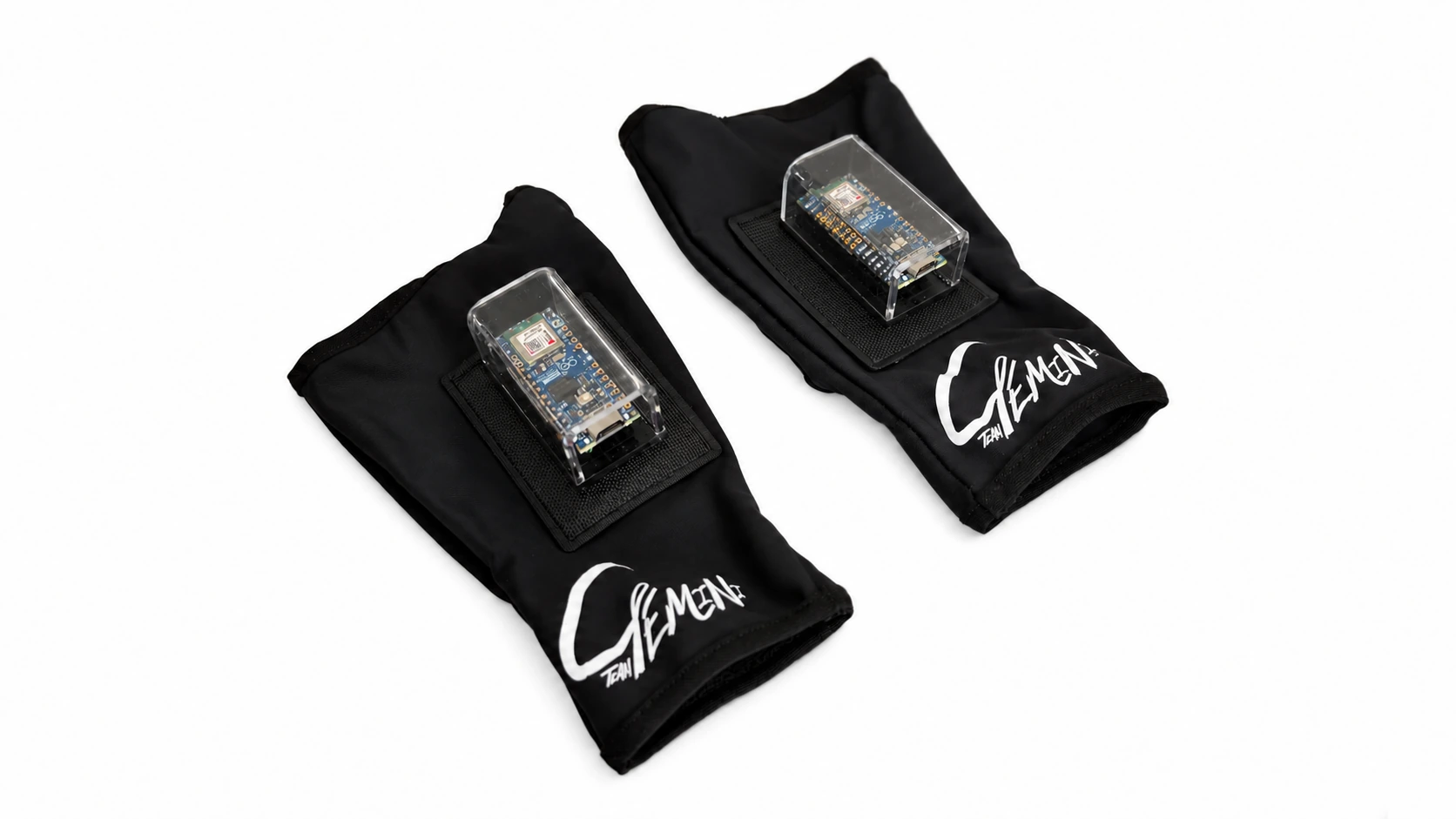
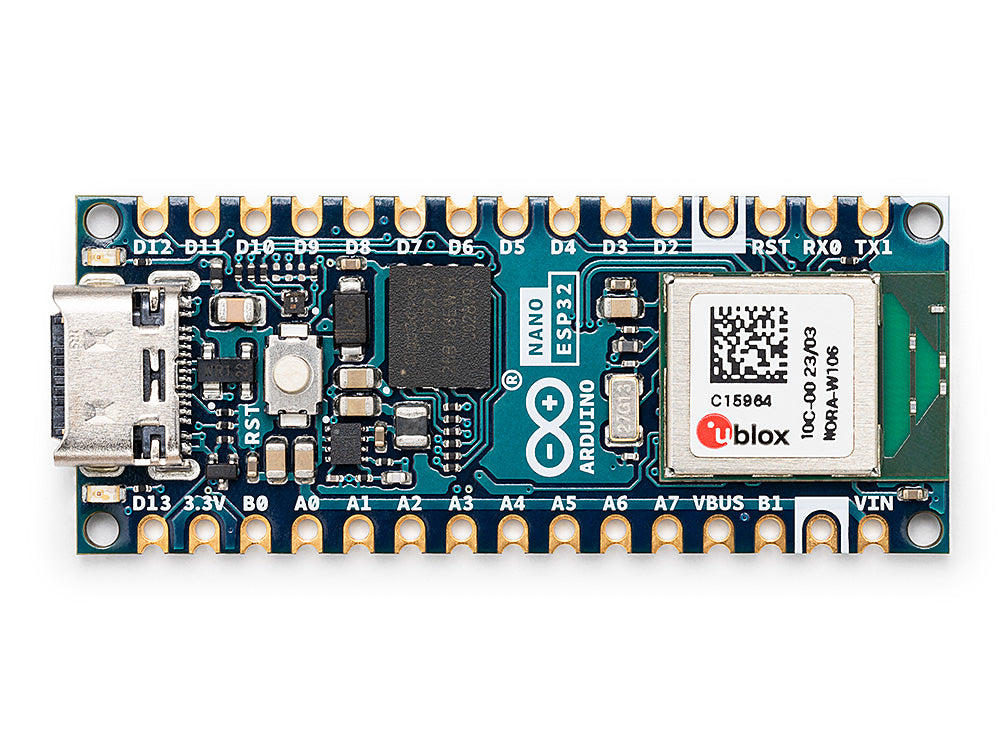
The first prototype used an Arduino Nano ESP32 with a wired connection. Movement could be explored as an input while data transmission remained physically connected to the receiving system. This version preceded the development of wireless communication.
V1 — Wireless Development, May 2025
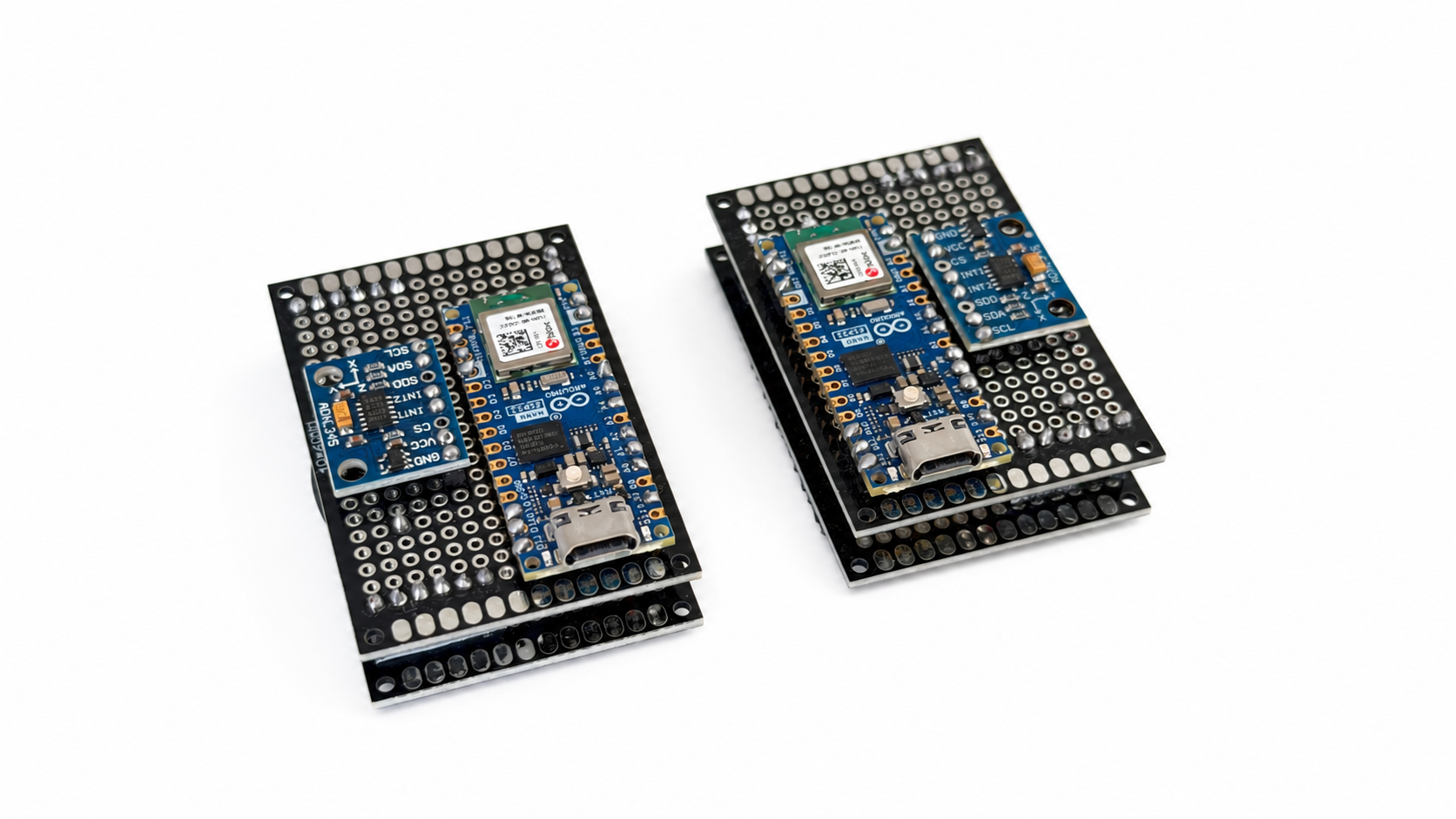
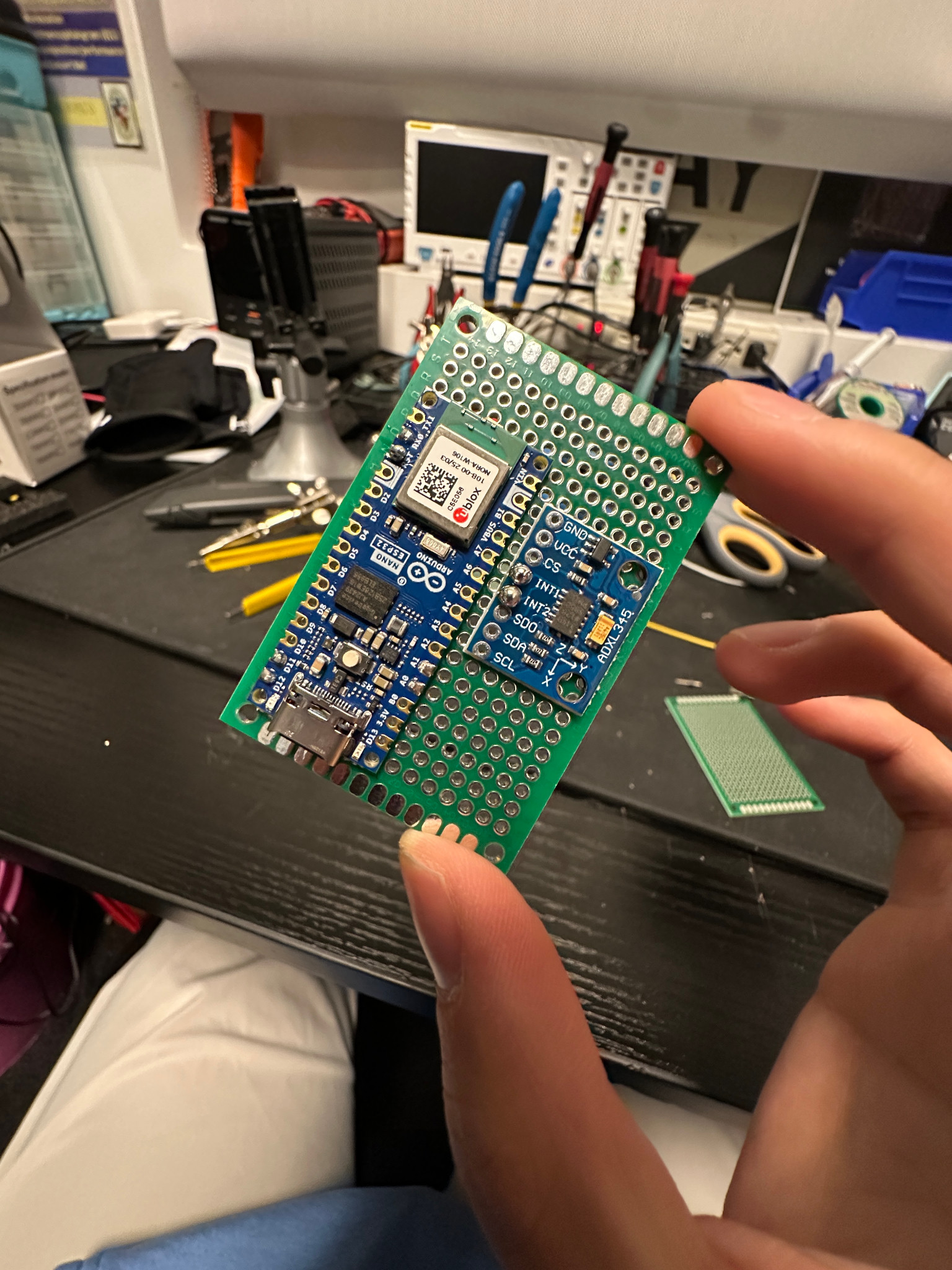
V1 used the ADXL345 sensor and moved the interface toward wireless operation. The sensor was incorporated into a PCB assembly, and Wi-Fi transmission was developed as part of this iteration. The black and blue modules used during this stage were variants built around the same ADXL345 sensor.
V2 — Lightweight Wireless Design, July 2025
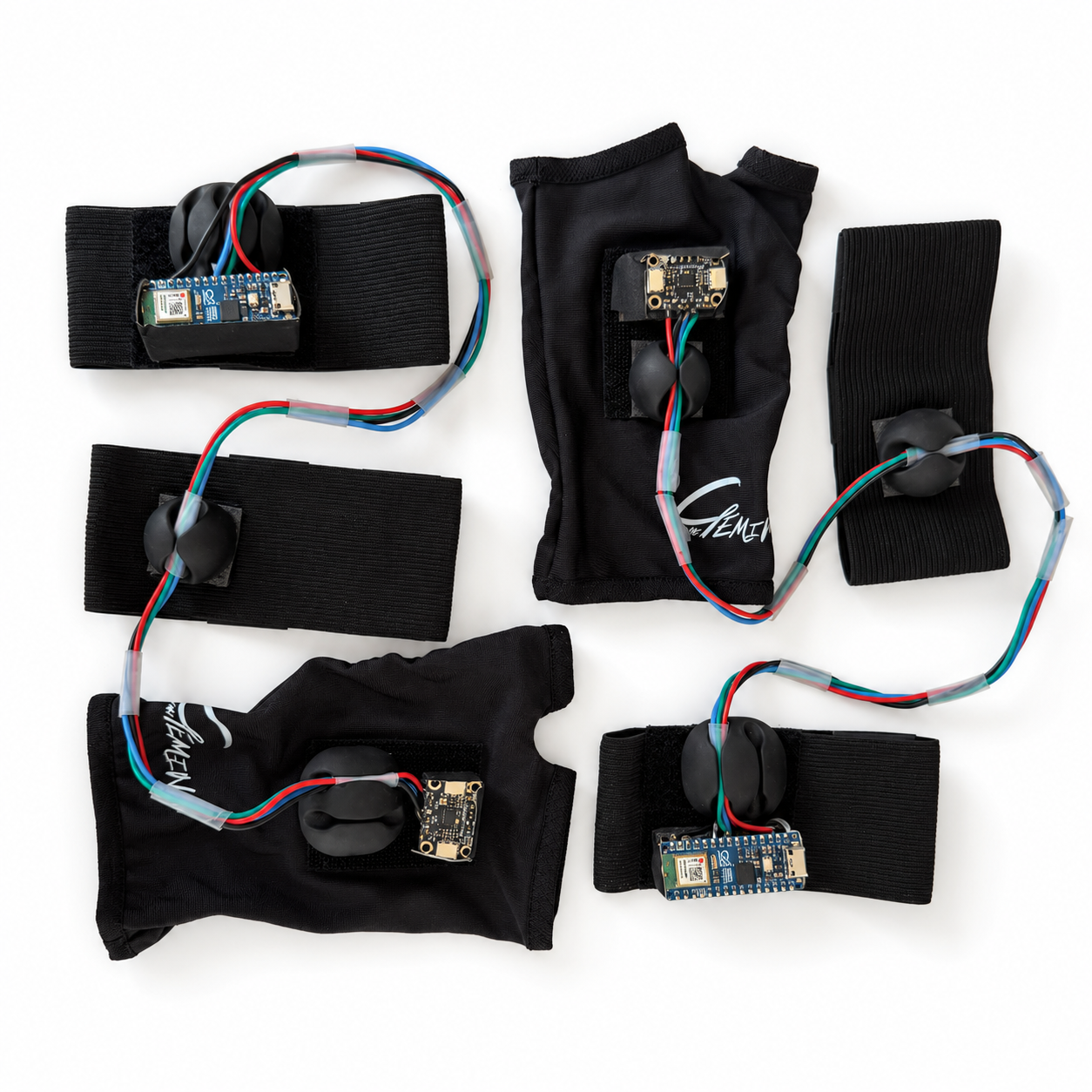
In July 2025, V2 developed GEMINI into a lightweight wireless design. LYRA was developed alongside this iteration as a single-hand extension.
MPU-9250 Update, August 2025
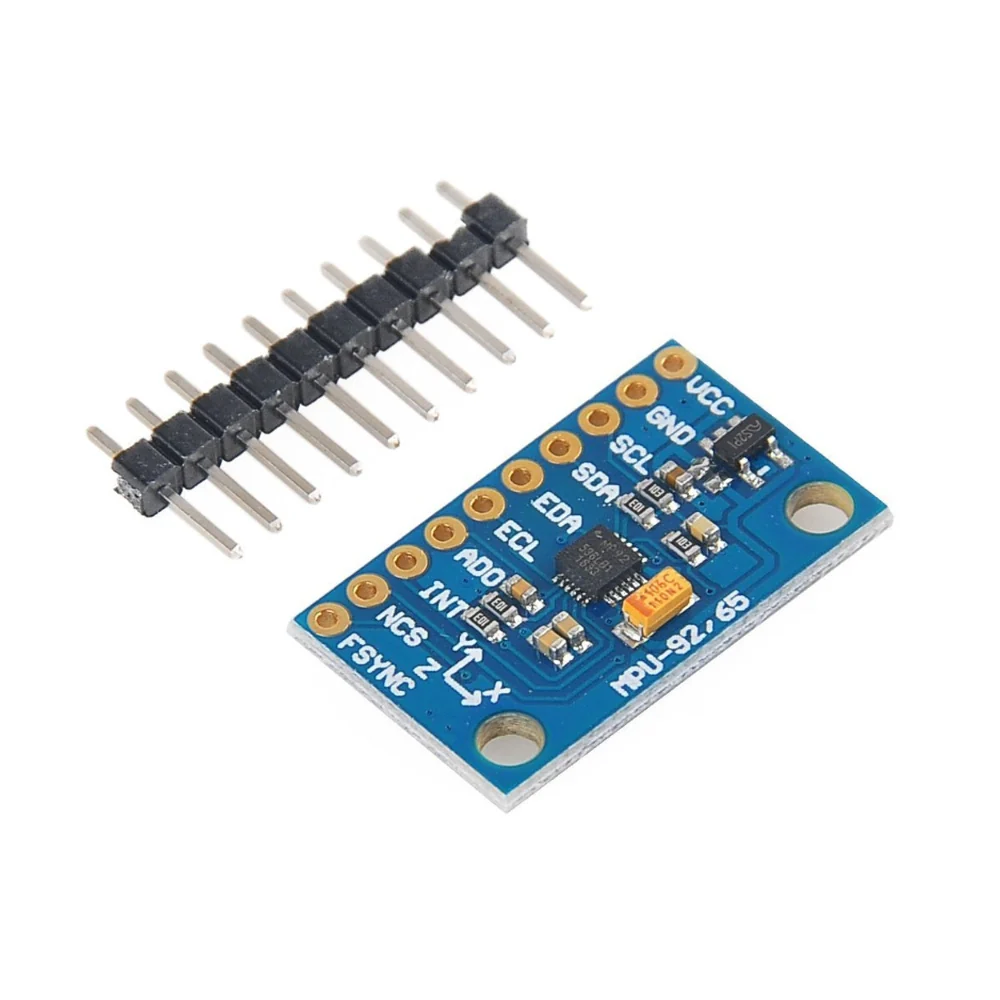
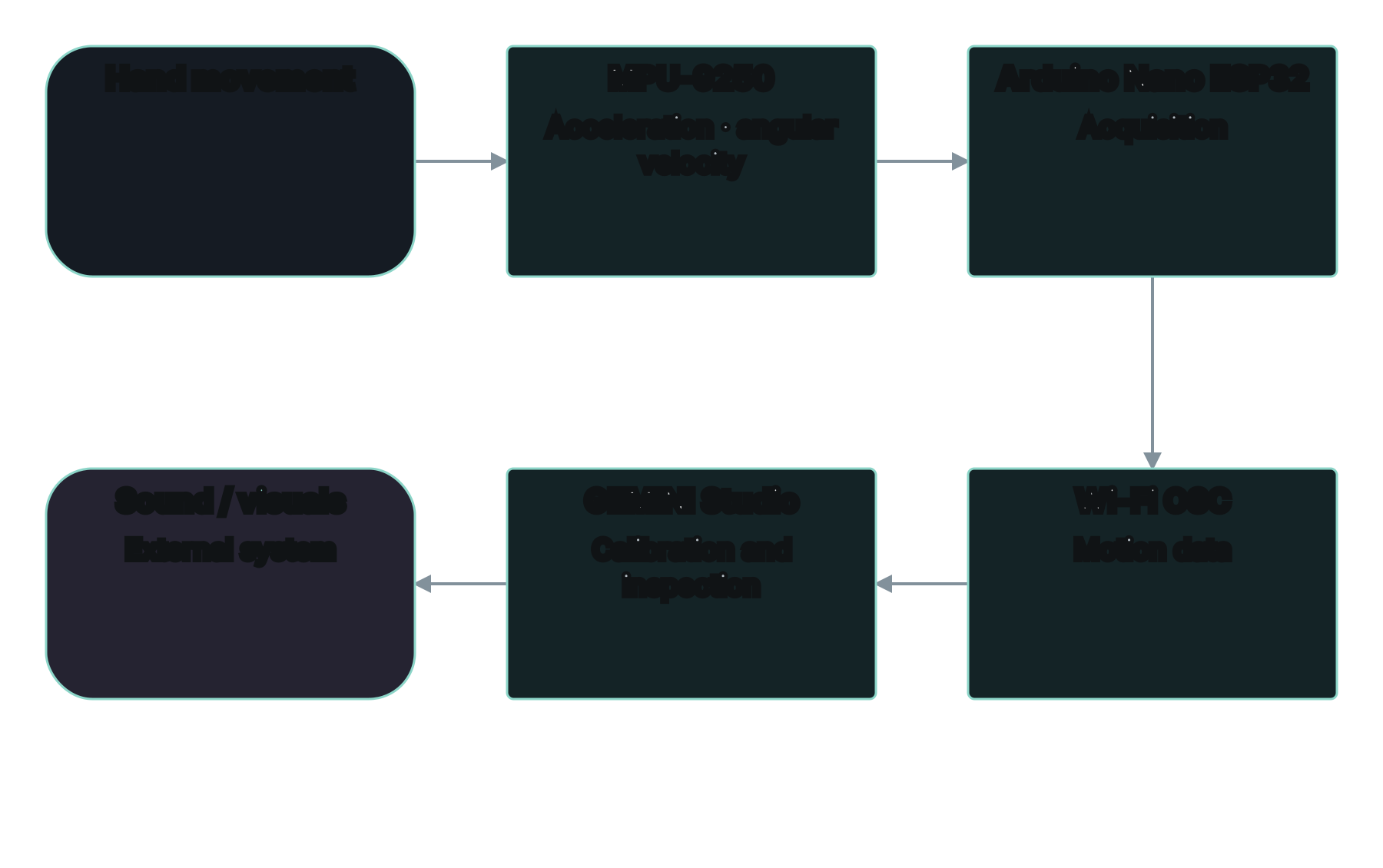
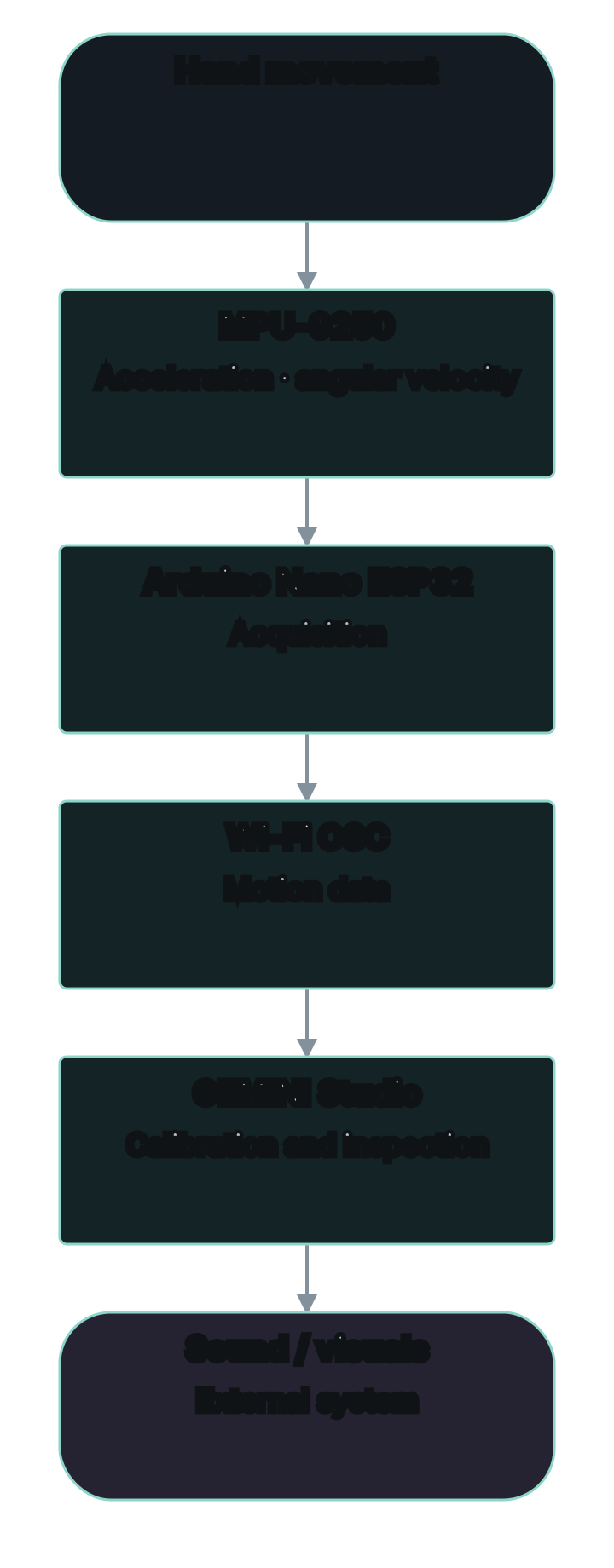
The later design uses an MPU-9250 with Arduino Nano ESP32, taking acceleration and angular velocity from its accelerometer and gyroscope. Motion data is transmitted over Wi-Fi using OSC. This provides the sensing basis for the current wireless glove interface, with the two hands available as separate inputs for artistic mapping.
Calibration and Data Flow
The accompanying Studio keeps raw and calibrated acceleration and gyroscope data available for inspection. Calibration settings are defined for each hand, and their signals use separate OSC output ports. Monitoring and CSV recording help the artist examine the input before deciding how it should influence sound or visuals.
Later GEMINI: motion to media
LYRA Extension
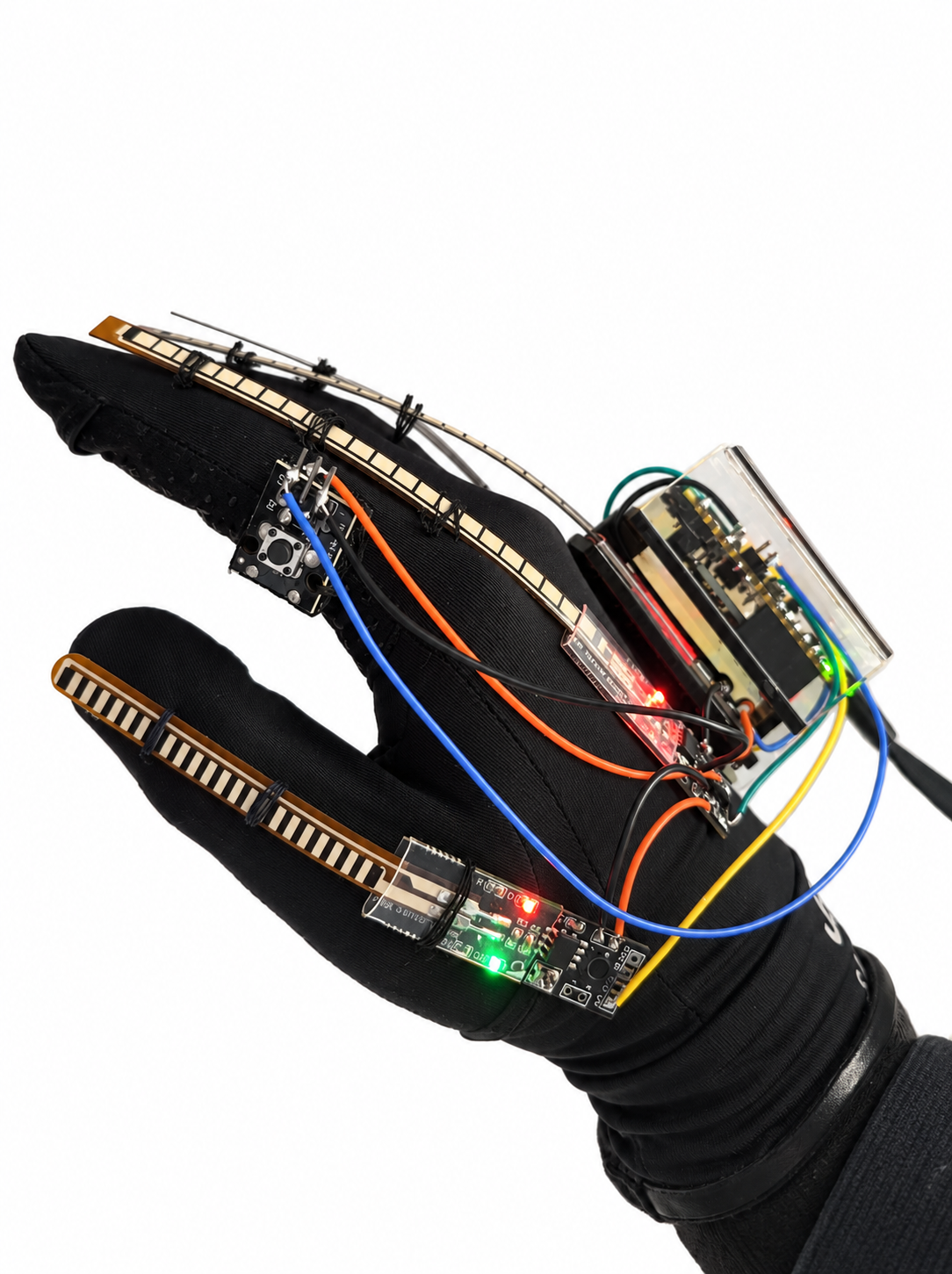
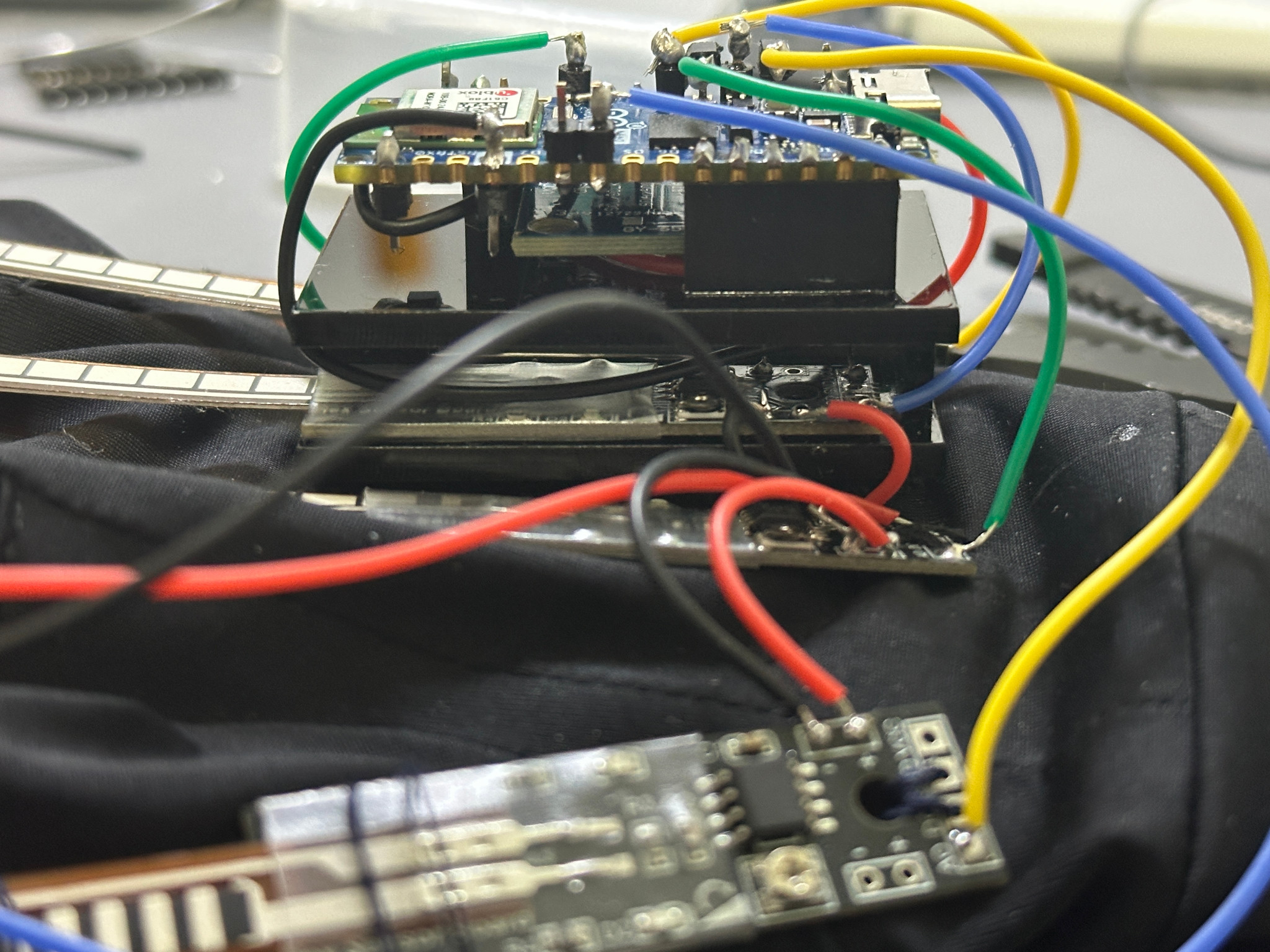
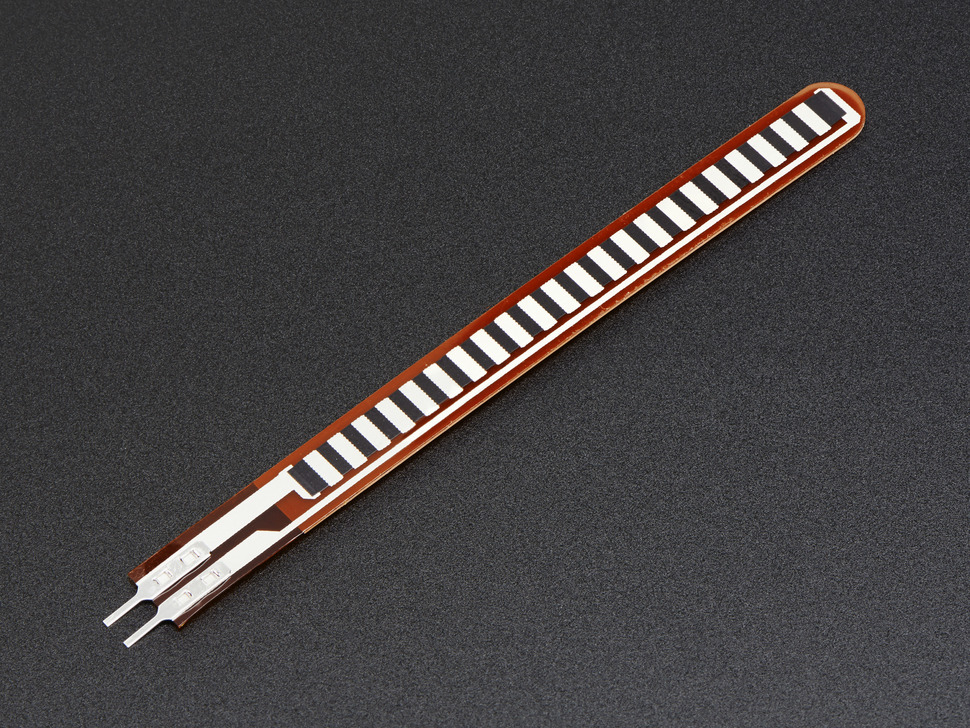
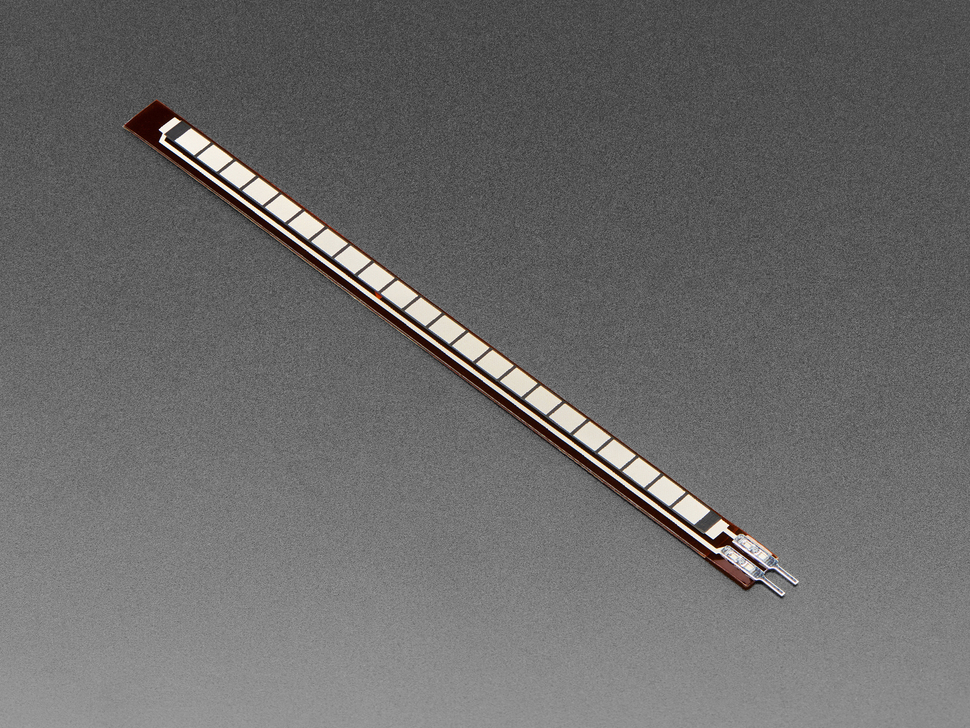
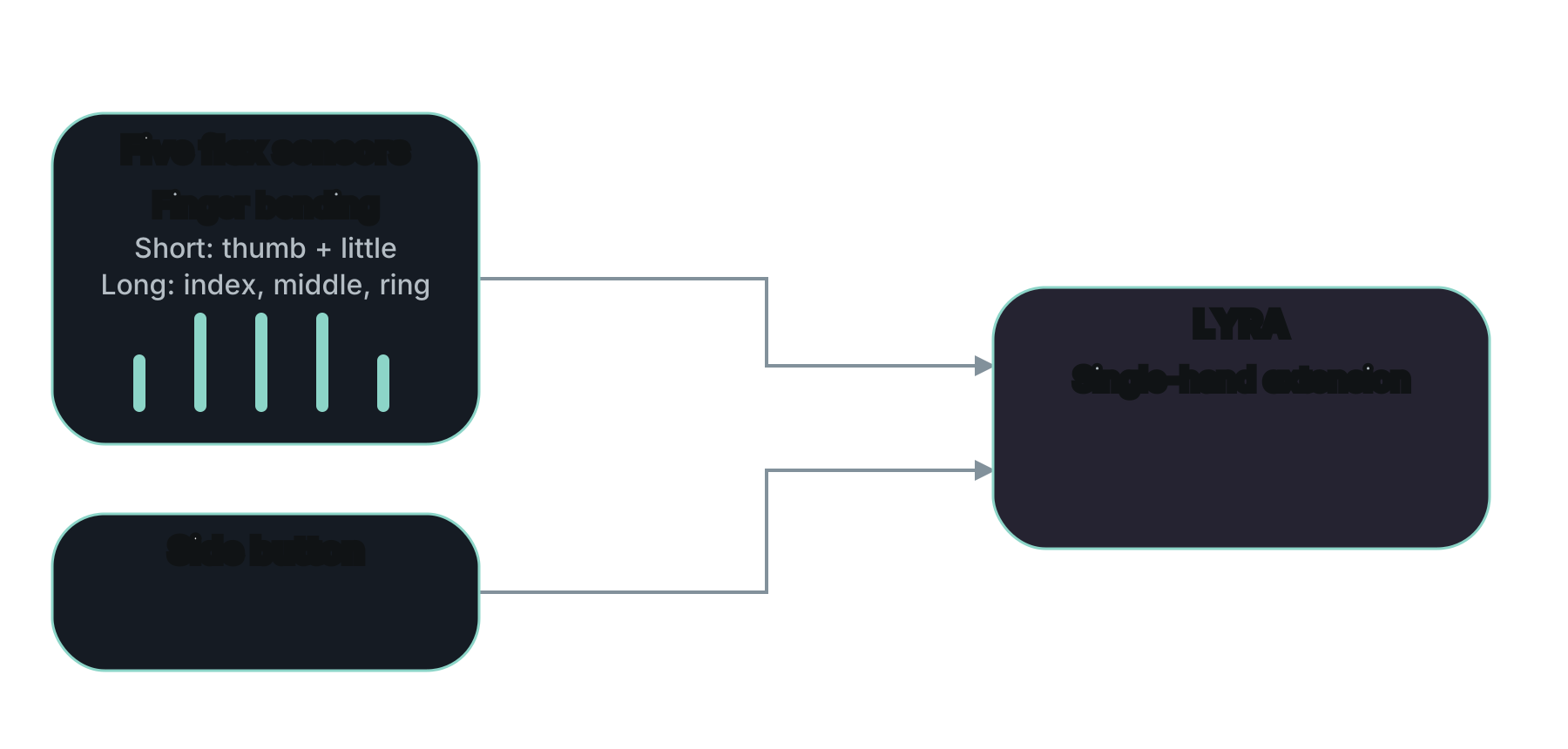
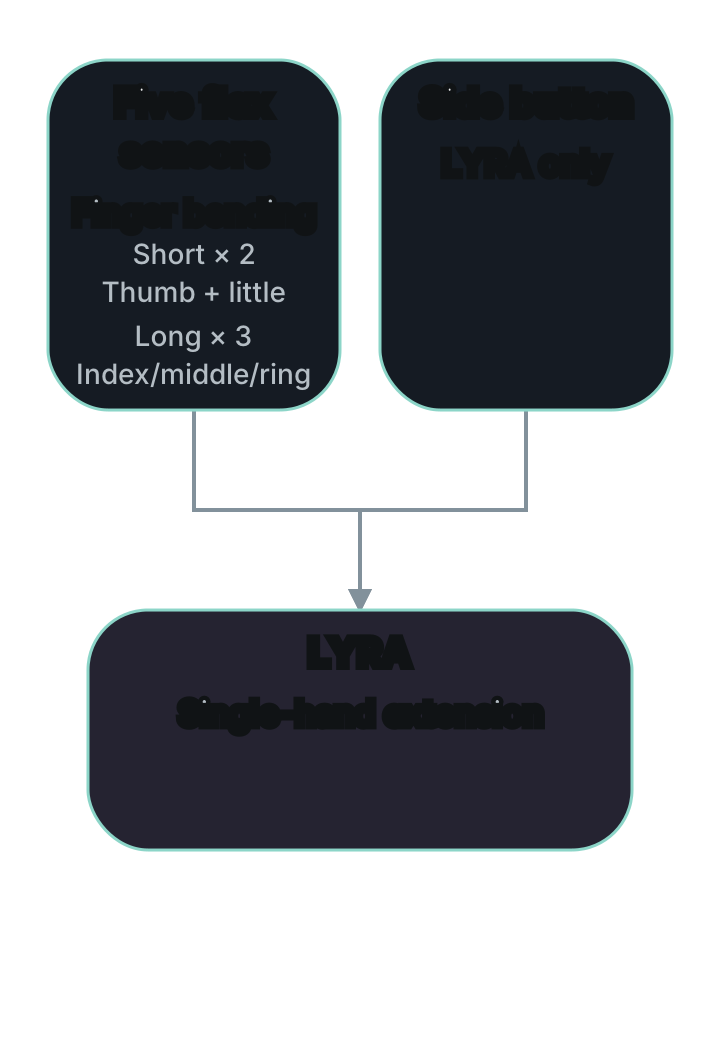
LYRA was developed alongside the lightweight GEMINI iteration in July 2025. This single-hand extension combines five flex sensors for measuring finger bending with a side button. It brings information about finger articulation alongside motion-sensing input, opening further possibilities for performance control. LYRA remains an extension within the GEMINI project.
Further iteration of LYRA was limited by fabrication and flexible-electronics challenges, while attention also shifted toward gesture detection using EMG. This opened a different direction for bodily interaction, based on patterns of muscular activity.
LYRA Extension
From Audio Processing to an Interface
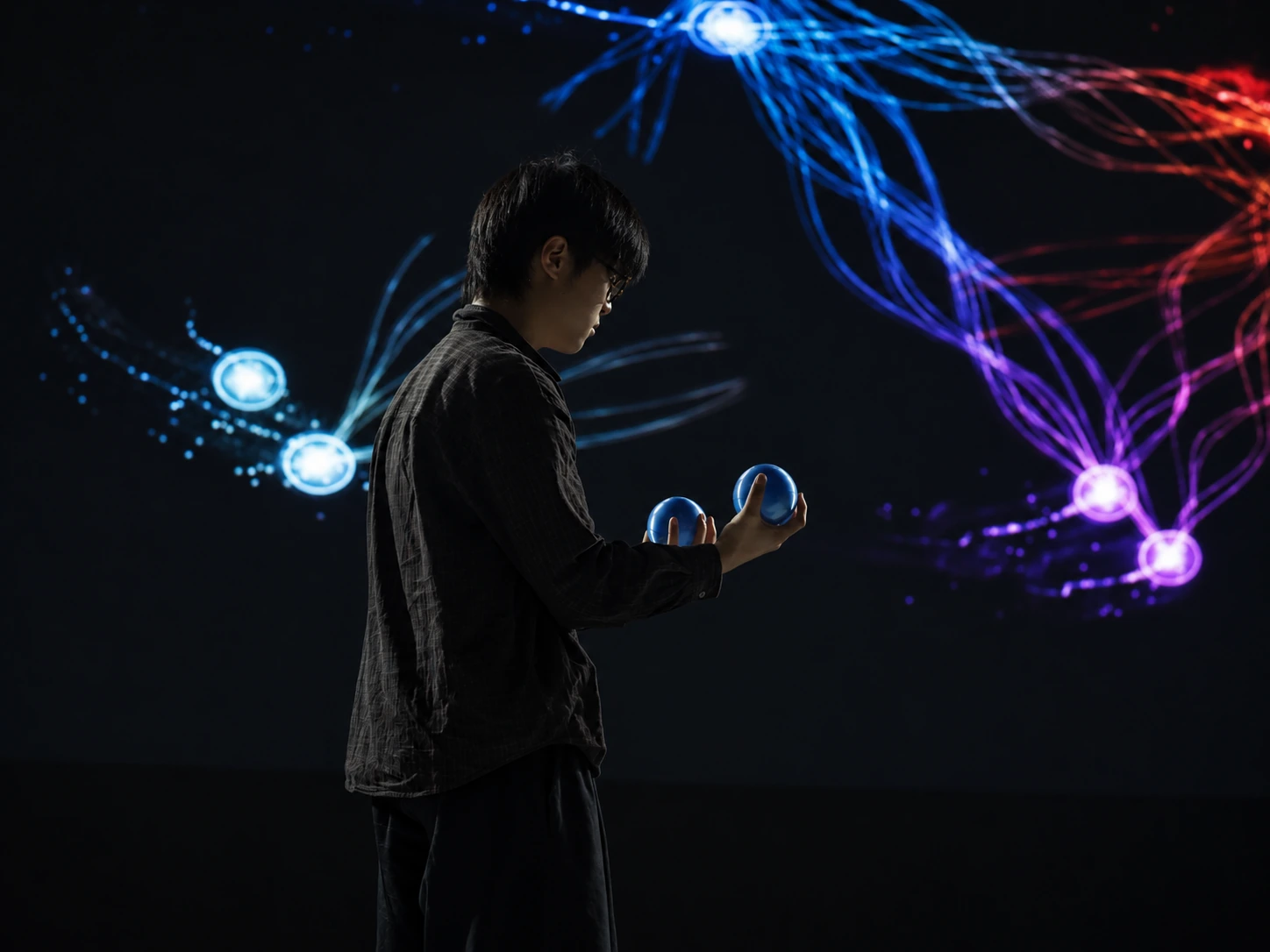
As GEMINI developed, its role expanded beyond processing the sound of another instrument. The device itself could be approached as an instrument or as a configurable interface for media beyond music. The broader exploration of motion sensing later continued in CoMotion’s handheld balls, using a different physical form for interaction.
Performance Context
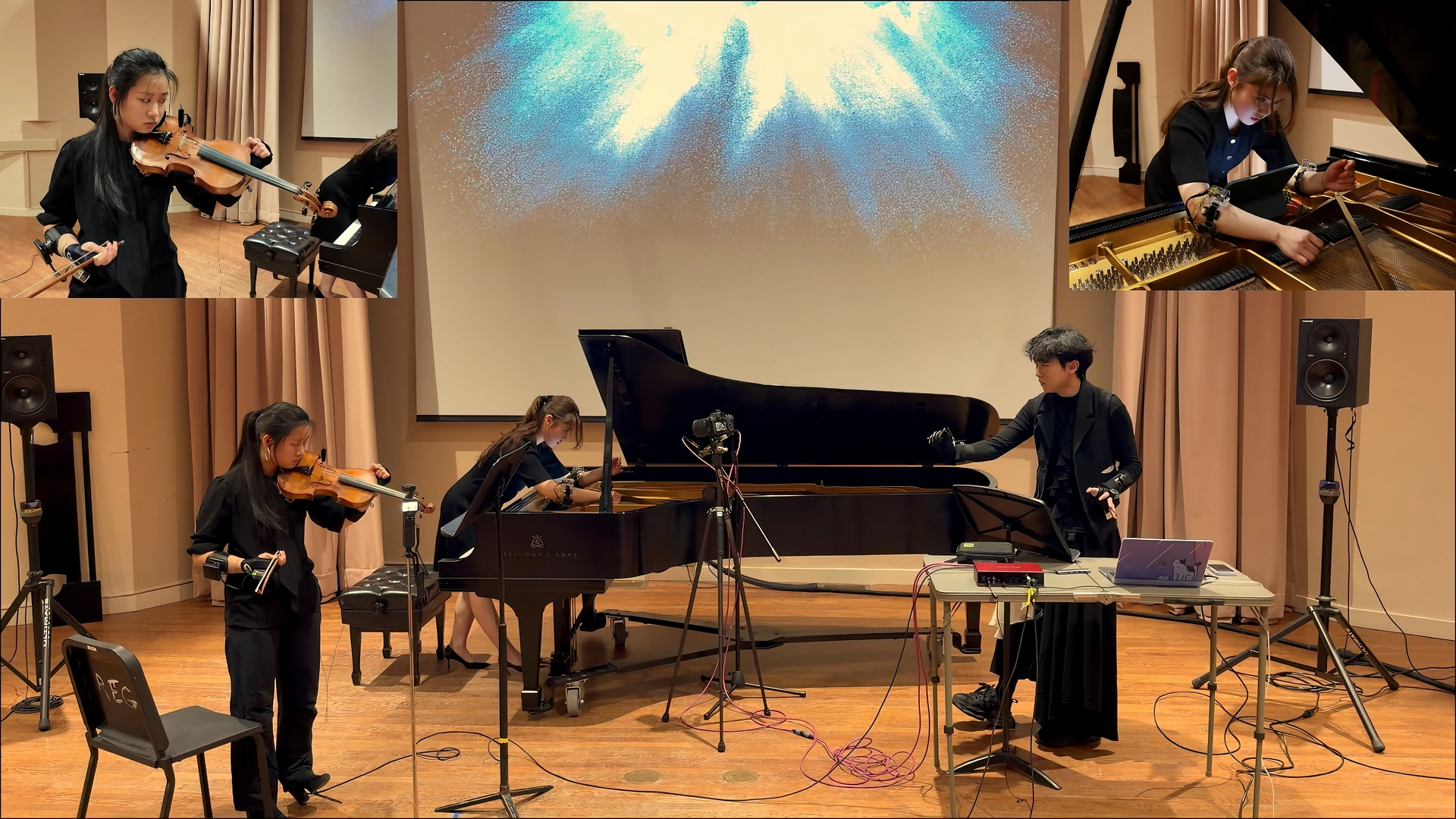
Earlier versions of GEMINI and LYRA were used in Spectral Traces alongside an earlier MYOS interface. The work provides a performance context for these wearable inputs. Its images and recordings belong to the hardware versions used at that time.
References
Artistic references: Atau Tanaka — Suspensions; Mari Kimura — MUGIC®; MiMU Gloves; Laetitia Sonami — The Lady’s Glove.
Suspensions reference performance: Sarah Nicolls.
Related Projects
 Spectral Traces
 CoMotion
Credits
Tian Li — Concept, interaction, hardware and software system design